
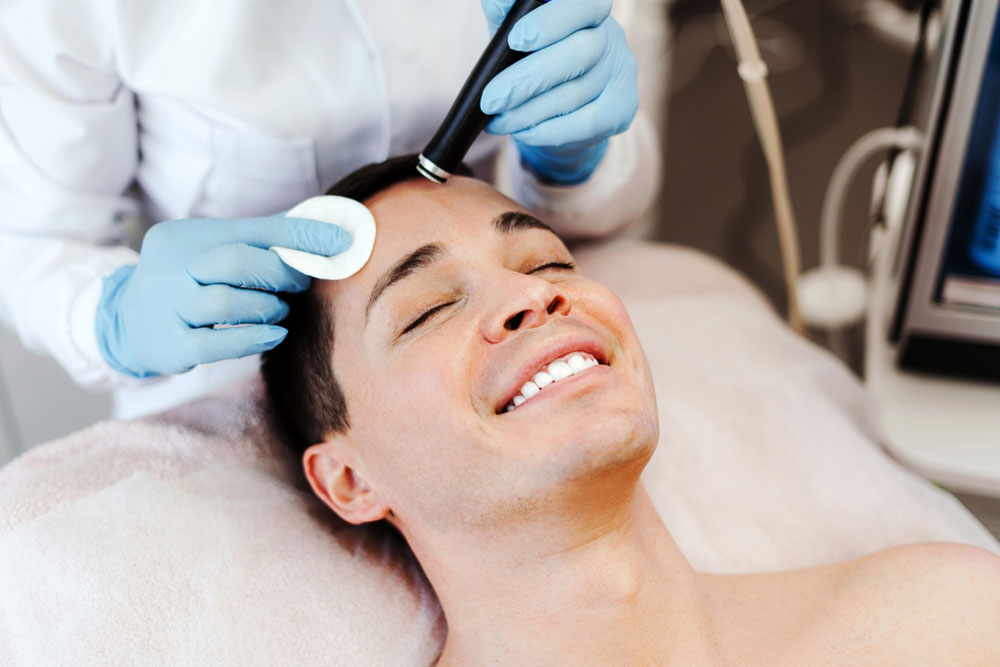
California’s medical spa industry sits at the intersection of health care, aesthetics, entrepreneurship, and some of the state’s strictest professional ownership laws. A MedSpa may look and operate in many ways like a consumer-facing beauty business, but once it begins offering services that constitute the practice of medicine, California law treats the operation very differently from an ordinary salon or day spa.
The short answer is that an unlicensed, non-physician investor generally cannot directly own a California medical practice that provides medical aesthetic services. California follows the Corporate Practice of Medicine doctrine, which limits who may own and control a medical practice and who may make decisions affecting patient care.
That does not mean entrepreneurs, nurses, investors, and other non-physicians have no lawful way to participate in a medical spa business. Depending on the services being offered and the licenses held by the individuals involved, a properly structured professional corporation, management services organization, or another legally permissible arrangement may allow business and medical operations to work together. The details matter because a business that looks compliant on paper can still create serious problems if a non-physician effectively controls the medical practice.
Medical spa owners, investors, physicians, nurses, and entrepreneurs should therefore address ownership and control before signing a lease, purchasing equipment, hiring clinicians, or launching marketing campaigns.
Why Are California Medical Spa Ownership Laws So Strict?
California has long restricted what is known as the corporate practice of medicine. The basic principle is that medical judgment should remain under the control of licensed medical professionals rather than business owners who are not legally authorized to practice medicine.
California Business and Professions Code Section 2400 provides the foundation for the state’s corporate practice restrictions. The Medical Board of California has explained that corporations and other artificial entities do not automatically possess the professional rights and powers necessary to practice medicine.
The purpose is not simply to regulate whose name appears on corporate documents. California regulators are concerned with who actually controls decisions affecting patients.
Examples of decisions that generally must remain under appropriate licensed medical control include:
- Determining which treatments are appropriate for a patient.
- Deciding whether a patient should be referred to another medical professional.
- Selecting appropriate treatment options.
- Establishing clinical policies and protocols.
- Making decisions based on the clinical competency of medical personnel.
- Maintaining appropriate control over medical records.
- Making decisions regarding medical equipment and supplies used to provide patient care.
A contract cannot simply label these decisions as administrative if the reality is that an unlicensed business owner is directing medical care.
Is a Medical Spa Really Considered a Medical Practice?
It depends on the services the facility provides. A traditional spa performing non-medical cosmetic services is not automatically a medical practice. The analysis changes when the business begins offering procedures that fall within the practice of medicine.
The Medical Board of California specifically treats many commonly marketed MedSpa services as medical procedures. Botox injections, certain laser procedures, medical-level microdermabrasion, and other procedures that involve medical treatment cannot simply be treated like ordinary beauty services because they are offered in an attractive spa environment.
The name used by the business does not determine the answer. Calling a location an “aesthetic studio,” “wellness center,” “skin clinic,” or “beauty lounge” does not remove professional licensing requirements when medical services are actually being provided.
This distinction should be evaluated before choosing the ownership structure. An entrepreneur planning only traditional cosmetic services may face a very different regulatory framework from an entrepreneur planning to offer injectable treatments, medical laser procedures, prescription products, or other medical services.
Can a Non-Physician Own a MedSpa in California?
The answer depends on what is meant by “non-physician.” California makes an important distinction between an unlicensed layperson and certain other licensed health care professionals.
A layperson or unlicensed investor cannot own shares of a California professional medical corporation. If the medical spa is operating as a physician medical practice, putting an entrepreneur’s name on an ordinary LLC or corporation and hiring a physician afterward generally does not solve the problem.
California does, however, permit certain licensed professionals to hold a minority interest in a professional medical corporation. According to the Medical Board of California, at least 51% of the shares must be owned by one or more licensed physicians and surgeons. Subject to applicable requirements, the remaining shares may be owned by certain specifically authorized licensed professionals, including registered nurses, physician assistants, psychologists, chiropractors, pharmacists, physical therapists, and several other categories identified under California law.
The number of qualifying non-physician professional shareholders also cannot exceed the number of physician shareholders.
This means there is a major legal difference between saying “a non-physician can own a MedSpa” and saying that certain licensed health care professionals may hold a statutorily permitted minority interest in a physician-controlled professional medical corporation.
Can I Form an LLC for a California Medical Spa?
An LLC may be useful for certain non-clinical business activities, but California physicians generally cannot use an ordinary LLC to operate the medical practice itself.
The Medical Board expressly states that physicians cannot practice medicine through an ordinary limited liability company or limited liability partnership. A professional medical corporation is commonly used when physicians want to operate through a corporate entity.
This distinction becomes especially important when someone has already formed an LLC before understanding the medical ownership rules.
For example, an entrepreneur might create “ABC MedSpa LLC,” sign a commercial lease through the LLC, buy expensive aesthetic equipment, build a website, hire administrative employees, and then look for a physician willing to become the medical director. If ABC MedSpa LLC is actually offering medical treatment and controlling the medical business, simply bringing in a physician afterward may not correct the underlying ownership problem.
Entity formation should therefore be addressed early rather than treated as an administrative detail after the business has already launched.
Why Hiring a “Medical Director” Does Not Automatically Make a MedSpa Legal
One of the most common misconceptions in California medical spa ownership is that a non-physician can own the entire business as long as a licensed physician agrees to serve as its medical director.
California Medical Board guidance specifically warns against this arrangement when the underlying practice is owned by a layperson.
A physician cannot simply lend a license to an otherwise unlicensed medical business. If the physician has little meaningful authority while the non-physician owner controls patient care, personnel, treatment policies, medical records, and other professional decisions, regulators may view the structure as an attempt to circumvent the corporate practice restrictions.
The substance of the relationship matters more than the title “medical director.”
A compliant structure should clearly establish who owns the professional practice, who employs or contracts with medical providers when legally appropriate, who controls clinical policies, and who has final authority over medical decisions.
What Is a Professional Medical Corporation?
A California professional medical corporation is a corporation specifically organized to provide professional medical services in accordance with California law.
It is different from forming a standard corporation with the California Secretary of State. Professional medical corporations must comply with the Moscone-Knox Professional Corporation Act and other applicable provisions regulating physician practices.
For a typical physician-controlled professional medical corporation, at least 51% of the shares must be held by licensed physicians and surgeons. Only specifically authorized licensed professionals can potentially hold the remaining shares.
An unlicensed entrepreneur cannot simply purchase 49% of the medical corporation because the minority shareholder exception applies to qualifying licensed professionals, not to the general public.
Corporate documents should also be drafted with the professional ownership rules in mind. Share restrictions, voting rights, officer positions, director requirements, succession planning, and transfers of ownership can all create problems if ordinary corporate documents are copied from a non-medical business.
Can a Non-Physician Own the Business Side Through an MSO?
One structure frequently discussed in California health care transactions involves a professional medical corporation working alongside a separate management services organization, commonly called an MSO.
An MSO can generally provide legitimate non-clinical support to a medical practice. Depending on the arrangement, those services might include office space, technology, bookkeeping, non-clinical staffing, administrative support, marketing, scheduling infrastructure, and other business functions.
The important concept is separation of authority.
The physician-controlled medical practice must remain responsible for the practice of medicine. The management company cannot become the real medical practice simply because the professional corporation exists on paper.
A properly designed management relationship may allow a non-physician entrepreneur to participate in the economic and operational side of a MedSpa without directly owning the professional medical corporation. The management agreement, however, should be carefully drafted to prevent the MSO from crossing the line into professional medical control.
What Decisions Should Remain With the Medical Practice?
California regulators look beyond ownership percentages when analyzing corporate practice issues. An arrangement can create concerns even if a physician technically owns the professional corporation when another party possesses excessive contractual or practical control.
The physician-controlled professional entity should retain appropriate authority over areas such as:
- Diagnosis and patient treatment decisions.
- Clinical protocols and standards of care.
- Determining whether a patient is an appropriate candidate for treatment.
- Clinical supervision and delegation.
- Selection of medical treatments.
- Clinical competency decisions involving licensed providers.
- Medical records and patient-care documentation.
- Medical equipment and supplies used for clinical treatment.
- Referrals to other medical professionals.
The MSO may provide recommendations and administrative assistance in appropriate circumstances, but the arrangement should not effectively strip the professional practice of its legally required authority.
Can the MSO Handle Marketing, Scheduling, Billing, and Administration?
Many administrative responsibilities can potentially be performed by an MSO, which is one reason the structure is frequently used by health care businesses involving non-physician entrepreneurs.
Marketing, technology, accounting support, general business operations, office management, real estate, and other administrative functions can often be separated from the actual delivery of professional medical services.
Problems arise when administrative authority becomes professional control.
A management company should not use a management agreement to dictate which treatment a physician must recommend, force clinicians to see an unsafe number of patients, replace medical judgment with sales quotas, or make other decisions reserved to licensed professionals.
Compensation arrangements also require careful analysis. California has laws addressing fee splitting, referrals, and compensation connected with professional medical services. Management fees should reflect legitimate management services and should be reviewed as part of the overall regulatory structure rather than selected solely for the purpose of transferring medical practice revenue to an unlicensed owner.
What About Nurses and Nurse Practitioners?
Being a licensed nurse or nurse practitioner does not automatically give someone the same ownership rights as a physician in a professional medical corporation.
Registered nurses and certain other licensed professionals may potentially own a minority interest in a professional medical corporation when California’s statutory requirements are satisfied. Physician ownership must still meet the applicable majority requirements.
Nurse practitioners require additional analysis because California has expanded independent practice authority for qualifying NPs. California now recognizes qualifying “104 NPs” who may practice without standardized procedures in an independent setting within the limits of their education, experience, and national certification.
That development does not mean that every nurse practitioner automatically has authority to own and operate every type of MedSpa or to provide every aesthetic procedure. Scope of practice, professional entity rules, prescribing authority, procedure-specific requirements, and the actual services offered must all be evaluated independently.
A professional nursing corporation and a professional medical corporation are also not interchangeable entities. An NP considering an independently operated aesthetic practice should have the proposed treatment menu and ownership structure reviewed before opening the business.
Who Can Perform Botox and Laser Procedures in California?
Ownership is only one part of MedSpa compliance. The business must also determine who may legally perform each procedure.
The Medical Board of California states that Botox may be injected by physicians or, under applicable physician supervision requirements, by registered nurses and physician assistants. The Board similarly identifies physicians, registered nurses, and physician assistants as professionals who may perform certain laser and intense pulsed light procedures when applicable supervision requirements are met.
Estheticians, cosmetologists, medical assistants, and other personnel do not automatically become authorized to perform medical procedures simply because they work in a medical spa.
For example, an esthetician may be permitted to perform certain superficial cosmetic treatments within the esthetician’s licensed scope, while deeper procedures intended to treat medical-level skin conditions may fall within the practice of medicine.
Before adding a new treatment, a medical spa should determine whether the procedure is medical, who may perform it, what supervision or standardized procedures are required, and whether additional prescribing or facility requirements apply.
What Changed for California Medical Practices in 2026?
California continues to increase scrutiny of non-clinical control over medical practices. Effective January 1, 2026, Senate Bill 351 added specific restrictions involving private equity groups and hedge funds participating in California physician and dental practices.
The law addresses interference with professional medical judgment and reinforces restrictions on outside entities controlling functions such as patient-care decisions, clinical staffing based on professional competency, coding and billing decisions for patient care, and the selection of medical equipment and supplies.
SB 351 does not replace California’s existing corporate practice rules. Instead, it adds another layer of regulation for covered private equity and hedge fund arrangements.
A small entrepreneur opening a local MedSpa will not necessarily fall within the statute’s definitions simply because outside money is involved. However, medical spa groups pursuing institutional investment, acquisitions, multi-location expansion, or private-equity transactions should evaluate these newer restrictions as part of transaction planning.
Can a Non-Physician Investor Own the Brand or Equipment?
Potentially, depending on how the arrangement is structured.
A separate business entity may be able to own non-clinical assets, intellectual property, equipment, office furniture, technology, or other business assets and provide them to the professional practice under properly structured agreements.
However, asset ownership should not become a mechanism for gaining control over the medical practice.
For example, contracts that theoretically leave the physician as the owner while making it practically impossible for the physician to control the practice may receive greater scrutiny than an ordinary vendor relationship.
California regulators and courts increasingly focus on actual control, not simply formal titles. Business owners should therefore review management agreements, equipment leases, intellectual property licenses, stock transfer arrangements, financing documents, and other interconnected contracts as one overall structure.
What Are Common California MedSpa Ownership Mistakes?
Medical spa ventures often begin as business ideas rather than traditional physician practices. That can create predictable legal mistakes during formation.
- Forming an LLC first and assuming it can employ a physician: An ordinary LLC generally cannot operate the physician medical practice merely because a doctor is hired later.
- Using a physician only as a medical director: A title alone does not solve improper lay ownership or control.
- Giving an MSO excessive control: A management company should not effectively become the medical decision-maker.
- Allowing an unlicensed investor to own professional corporation shares: The minority ownership rules apply only to specifically authorized licensed professionals.
- Confusing ownership with scope of practice: Someone may be permitted to own part of an entity but still lack authority to perform a particular medical procedure.
- Launching treatments before reviewing delegation requirements: Each service should be evaluated individually.
- Using generic corporate documents: A professional medical corporation has regulatory considerations that an ordinary business corporation does not.
- Ignoring fee-splitting issues: Management and compensation arrangements should be evaluated under California health care laws before revenue begins flowing between entities.
What Should You Review Before Opening a California MedSpa?
The safest time to address MedSpa ownership is before money is committed to an incorrect structure.
A legal review should generally consider the planned services, professional licenses involved, ownership percentages, corporate structure, management arrangements, staffing, delegation, leases, equipment, branding, advertising, patient records, compensation, and future expansion strategy.
Questions to answer include:
- Which planned treatments constitute the practice of medicine?
- Who will own the professional entity?
- Does every proposed shareholder qualify under California law?
- Who will employ or contract with medical professionals?
- Who has final authority over clinical decisions?
- Will there be a separate MSO?
- What services will the MSO actually provide?
- How will management compensation be structured?
- Who owns the medical records?
- Who owns or leases the medical equipment?
- Does the practice need a fictitious name permit?
- Do treatment providers have the correct licenses and supervision?
- How will ownership changes, physician departure, disability, or retirement be handled?
- Is the structure designed to accommodate additional locations or future investors?
Working through these issues early can be significantly easier than restructuring a MedSpa after contracts have been signed, employees have been hired, and patients are already receiving treatment.
Does a California Medical Spa Need a Fictitious Name Permit?
A physician or professional medical corporation practicing under a fictitious, false, or assumed name may need a Fictitious Name Permit from the Medical Board of California.
Registering a corporate name with the California Secretary of State is not necessarily the same thing as receiving authorization from the Medical Board to advertise a medical practice under a fictitious name.
This can be particularly relevant to MedSpas because consumer-facing medical practices often use branded names rather than the physician owner’s personal name.
The business should review its proposed brand, corporate entity, advertising, and permit requirements before launching signs, websites, paid advertising, or social media campaigns using the name.
What If You Already Opened a MedSpa With the Wrong Structure?
Discovering a possible ownership problem does not mean it should be ignored until a regulator raises the issue.
Existing businesses can have their ownership documents, service agreements, employment arrangements, management contracts, and clinical structure reviewed to identify areas that may require correction.
Depending on the circumstances, restructuring may involve creating the appropriate professional entity, separating clinical and administrative functions, changing contractual relationships, revising management authority, transferring appropriate assets, reviewing permits, or modifying how medical providers are engaged.
The specific solution depends on the existing structure. Making piecemeal changes without examining how all of the agreements work together may simply move the problem from one document to another.
California MedSpa Laws for San Diego Business Owners
Medical spa entrepreneurs operating in san diego must address California’s statewide medical ownership rules in addition to the ordinary local considerations that come with opening and operating a business.
Location selection, commercial leasing, business formation, employment relationships, vendor contracts, equipment agreements, trademarks, and expansion planning can all interact with the health care regulatory structure.
For founders planning several locations, bringing in investors, creating a franchise-style brand, or eventually selling the company, the initial corporate structure can become even more important. A business model that depends on a non-physician controlling the professional medical entity may be difficult to scale or sell without significant restructuring.
Frequently Asked Questions About California Medical Spa Ownership
Can a regular business owner open a MedSpa in California?
A non-physician entrepreneur may participate in a medical spa business, but a layperson generally cannot directly own the physician medical practice that provides medical services. A separate MSO or another properly structured arrangement may provide a way for the entrepreneur to manage legitimate non-clinical functions while professional medical control remains with the appropriate licensed entity.
Can an esthetician own a MedSpa in California?
An esthetician may own a business providing services that fall within the esthetician’s legal scope. An esthetician license, however, does not authorize the individual to own and control a physician medical practice simply because the business also markets aesthetic services. A mixed medical and cosmetic business needs careful structural analysis.
Can a registered nurse own part of a medical corporation?
Yes, California permits registered nurses and certain other specifically identified licensed professionals to hold minority shares in a professional medical corporation when statutory requirements are satisfied. One or more licensed physicians and surgeons must own at least 51% of the shares, and additional ownership restrictions apply.
Can I own the MedSpa and just hire a doctor?
That is one of the arrangements most likely to create corporate practice concerns when the lay-owned company is actually providing medical services. California Medical Board guidance specifically cautions against lay-owned businesses hiring physicians merely to act as medical directors while the non-physician controls the medical operation.
Can a non-physician own an MSO?
A non-physician can generally own a company providing legitimate non-clinical management and administrative services. The MSO must remain separate from the practice of medicine and should not be given authority that effectively allows it to control the professional medical practice.
Does owning 51% through a physician automatically make the arrangement compliant?
No. Ownership percentages are only part of the analysis. California also looks at control. If an MSO, investor, or other non-physician possesses contractual or practical authority over decisions that should remain with licensed medical professionals, the arrangement may still raise corporate practice concerns.
How we can help
The Law Office of Kris Mukherji, APC helps California business owners, physicians, health care professionals, and entrepreneurs evaluate the legal structure behind their businesses before ownership and contract problems become expensive disputes. Medical spa ownership requires more than simply filing an LLC or finding a physician willing to use the title of medical director. The professional corporation, ownership percentages, MSO relationship, management agreement, clinical authority, contracts, compensation structure, permits, and future expansion plans should work together as one compliant business structure. Our firm provides personalized legal services and can help with business formation, corporate documents, ownership arrangements, contracts, restructuring, and other business-law issues affecting California medical spa ventures. If you are planning a new MedSpa, bringing a physician or investor into an existing business, purchasing a medical spa, or questioning whether your current structure complies with California law, contact the Law Office of Kris Mukherji, APC for a free consultation to discuss your specific situation and next steps.